
What is Ablation? Ablation is the process of controlled removal of tissues in the body that cause disease or disrupt normal functioning. This procedure is usually performed using methods such as heat (radiofrequency), cold (cryotherapy), or laser. One of the most common areas of application is the treatment of heart rhythm disorders (arrhythmia). Thanks to ablation, problematic tissues are rendered inactive while healthy tissue is protected. Ablation treatment is used in many diseases …
What is Ablation?
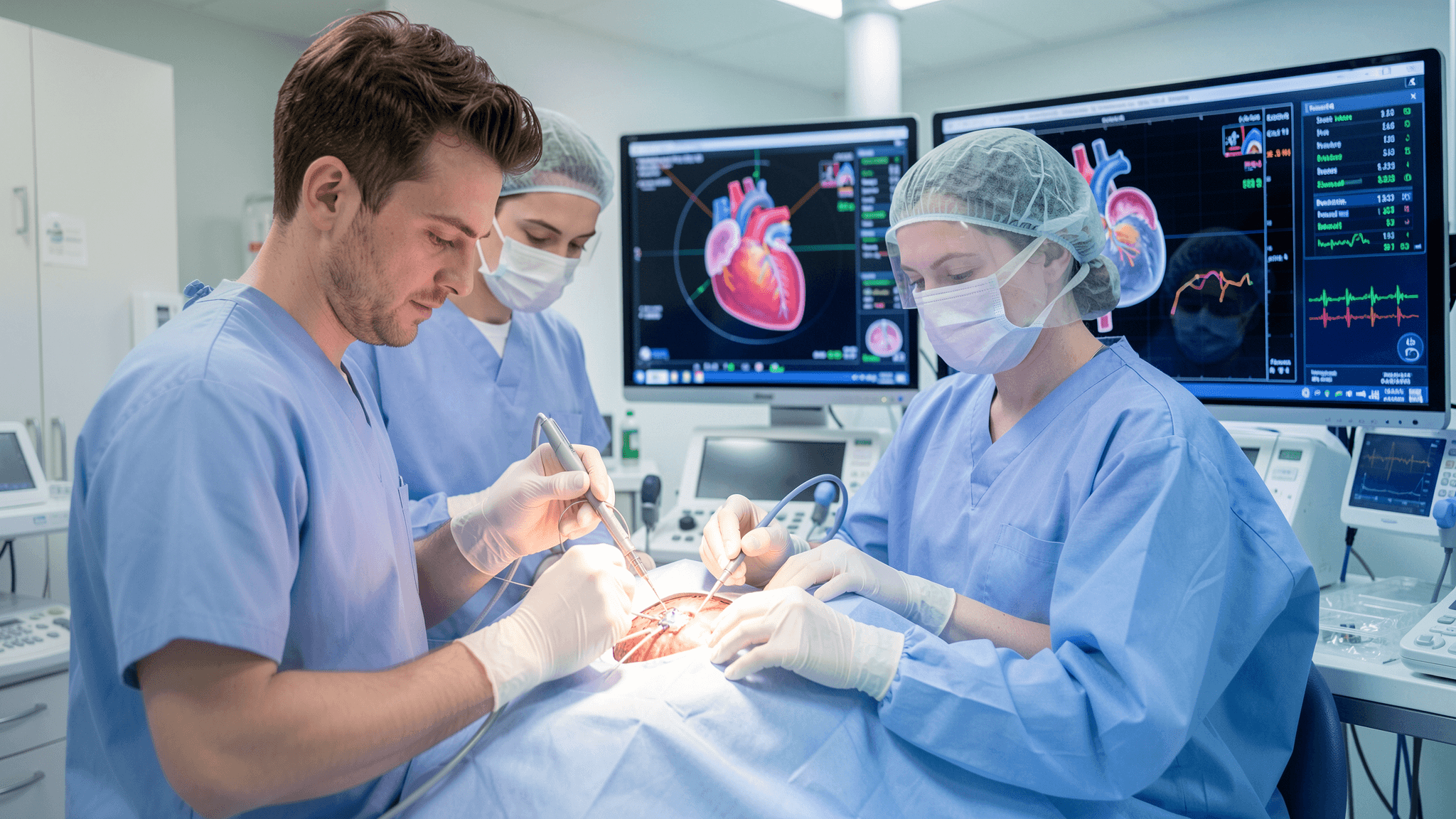
Ablation is the process of controlled removal of tissues in the body that cause disease or disrupt normal functioning. This procedure is usually performed using methods such as heat (radiofrequency), cold (cryotherapy), or laser. One of the most common areas of application is the treatment of heart rhythm disorders (arrhythmia).
Thanks to ablation, problematic tissues are rendered inactive while healthy tissue is protected. Ablation treatment is applied as an alternative or complementary method to surgery in many diseases.
What are the Types of Ablation?
Ablation treatment is divided into different types depending on the technology used and the targeted tissue. Each ablation method may be more suitable for certain diseases, and the treatment plan is created accordingly. Therefore, which method will be applied is decided as a result of the evaluation made by specialist physicians.
Ablation methods are among modern treatment options aimed at eliminating the target tissue with minimum damage. Thanks to advancing technology today, ablation procedures are applied more safely and effectively.
The types of ablation are:
- Radiofrequency ablation
- Cryoablation
- Laser ablation
Radiofrequency Ablation
Radiofrequency ablation is based on the principle of controlled heating of tissue using high-frequency electrical energy. In this method, the targeted tissue is heated to approximately 60–100°C and permanently rendered inactive. It is one of the most frequently preferred methods, especially in the treatment of heart rhythm disorders (arrhythmia).
In addition, it can be used in the treatment of liver, kidney, and lung tumors. During the procedure, care is taken to protect surrounding tissues, and the targeted area is precisely determined. Radiofrequency ablation is an effective treatment method that provides a faster recovery as an alternative to surgery.
Cryoablation (Freezing Method)
Cryoablation is based on the principle of freezing the target tissue using ultra-low temperatures, thereby destroying the cells. Temperatures of -40°C and below are typically used in this method. The freezing process disrupts the cellular structure, causing the tissue to lose its function.
It is preferred especially in heart rhythm disorders and certain tumor treatments. One of the most important advantages of cryoablation is the low risk of damaging surrounding tissues. Therefore, it stands out as a method that can be safely applied in sensitive areas.
Laser Ablation
Laser ablation ensures the controlled destruction of tissue using high-energy laser beams. In this method, laser energy is applied directly to the targeted area, generating heat in the tissue and causing cells to break down. Laser ablation is frequently used, particularly in the field of dermatology, for the treatment of skin lesions, moles, and warts.
It may also be preferred in certain tumor treatments. The procedure is generally fast, and the recovery process is more comfortable compared to other methods. Highly successful results can be achieved with proper patient selection.
How is Ablation Performed?
Ablation is a treatment method usually performed with minimally invasive techniques and does not require a surgical incision. During the procedure, local anesthesia or light sedation is applied to the patient to ensure comfort.
How ablation is performed may vary depending on the method to be applied and the region to be treated. Specifically, cardiac ablation is a special procedure performed via vascular access. Throughout the entire process, the patient is closely monitored and the procedure is completed in a controlled manner.
Catheter Placement
Thin and flexible catheters are used in a large portion of ablation procedures. These catheters are typically advanced through the vessels in the groin or arm region to reach the target area.
Catheters allow for both imaging and treatment. Thanks to advanced imaging systems used during the procedure, the position of the catheter is tracked in real time. This ensures that the procedure is carried out with high precision.
Identification of the Problem Area
One of the most important stages of ablation is the accurate detection of the problematic tissue. In cardiac ablation, this process is carried out using special mapping systems.
These systems analyze the electrical activity in the heart to identify the region causing the rhythm disorder. An ablation procedure performed without accurate detection will not yield the desired result. Therefore, this stage is of critical importance for the success of the procedure.
Ablation Application
After the problematic area is identified, heat, cold, or laser energy is applied according to the chosen method. Thanks to this energy, the problematic cells are rendered inactive.
During the application, care is taken to protect surrounding tissues. The procedure is usually completed in a short time, and the patient can be discharged the same day or the next day. After ablation, it is aimed to eliminate the problem in the targeted region and restore normal functions.
What Are the Benefits of Ablation Treatment?
Among the benefits of ablation treatment are a shorter recovery period compared to open surgery, less bleeding, and lower risks. Some procedures are performed under local anesthesia while patients remain awake.
Since open surgery is generally unnecessary, recovery times are shorter. The patient can be discharged the same day or stay in the hospital for only a short period. Ablation treatment has a lower probability of damaging surrounding healthy tissue. It can be repeated when necessary. Ablation treatment can be used in combination with other types of therapy, such as chemotherapy or medication.
What Are the Risks of Ablation Treatment?
The risks of ablation treatment vary depending on the ablation method used by the doctor, as well as the type and severity of the underlying disease. The potential risks of ablation treatment are as follows:
- Bleeding at the incision site
- Infection
- Damage to blood vessels
- Stroke or heart attack
- Burning of surrounding tissues
- Bleeding or blood accumulation between tissues due to surgical intervention (hematoma)
- Risk of repetition
- Organ damage
For each patient, the potential risks and benefits of ablation therapy should be evaluated based on the patient's specific condition, the type of disease, and other treatment options. Therefore, when ablation therapy is considered, it is important for patients to have a detailed discussion with their doctors and to learn about the treatment options.
What to Pay Attention To After Ablation?
For each patient, the potential risks and benefits of ablation therapy should be evaluated based on the patient's specific condition, the type of disease, and other treatment options. Therefore, when ablation therapy is considered, it is important for patients to have a detailed discussion with their doctors and to learn about the treatment options.
Rest Period
The first few days after the procedure, the body needs to rest. It is especially important that the area where the catheter was inserted is not strained. Heavy lifting and intense physical activities should be avoided. The rest period helps the body recover. Light walking is generally recommended during this period.
Symptom Monitoring
Slight pain, bruising, or tenderness may appear after ablation. These symptoms usually go away on their own within a short time. However, in cases of severe pain, fever, bleeding, or a sense of arrhythmia, a doctor should be consulted without fail. It is important for patients to carefully observe their own condition. Problems detected early are easier to manage.
Not Delaying the Controls
After ablation, doctor's controls should be done at regular intervals. During these controls, the success of the treatment is evaluated. Additional treatment plans can be created when necessary. Regular controls are important for long-term success. Therefore, appointments should not be missed.
What is Ablation Surgery?
Ablation surgery is a treatment method that is less invasive than classical surgical techniques and destroys the target tissue with special techniques. This procedure generally does not require large incisions and offers a faster recovery period. It is especially preferred for heart rhythm disorders and some tumor treatments. Ablation surgery is one of the effective treatment methods commonly used in modern medicine.
What Are the Areas of Application of Ablation Surgery?
Ablation therapy is a modern treatment method that is used in many different medical branches today and aims to remove the target tissue in a controlled manner. Thanks to its minimally invasive nature, it is often preferred as an alternative to surgery.
Its applicability especially in sensitive areas and the fast recovery period make this method stand out. Which area and which method it will be applied in is determined according to the type of disease and the patient's overall condition. Therefore, the treatment process must be planned by specialist physicians without fail.
Cardiology
Cardiology is one of the most common areas where ablation therapy is used. Especially in the treatment of heart rhythm disorders (arrhythmia), the ablation procedure is quite an effective method.
Electric foci causing the rhythm disorder in the heart are detected and made inactive with ablation. This helps the heart return to its normal rhythm and significantly improves the patient's quality of life.
Ablation procedure is preferred especially in patients who do not respond to drug therapy. It plays an important role in controlling complaints such as palpitations, irregular heartbeat and fainting. In addition, it contributes to protecting heart health in the long term. Thanks to advanced mapping systems, the procedure is now applied more safely and successfully.
Oncology
In oncology, ablation is one of the effective methods used especially in the treatment of some tumors. It is considered as an alternative treatment option in cases where surgery is risky or impossible. With the ablation method, tumor tissue is targeted and destroyed while surrounding healthy tissues are preserved.
This method is frequently used in liver, kidney, and lung tumors, and can yield successful results especially in early-stage tumors. In addition, it can be used to control metastases. Ablation therapy can be planned along with chemotherapy or other treatment methods according to the patient's overall condition. Therefore, the treatment process is managed with a multidisciplinary approach.
Dermatology
In dermatology, ablation is a method commonly used in the treatment of various lesions on the skin surface. Especially moles, warts, skin spots, and some benign growths can be effectively treated with laser ablation. This method ensures the removal of the targeted tissue without damaging the skin surface.
The laser ablation procedure is usually completed in a short time, and the recovery process is fast. After the procedure, the risk of scarring is low, and esthetically successful results are achieved.
It can also be used as a support in the treatment of some skin diseases. However, it should be decided by a dermatology specialist after evaluation which lesion is suitable for ablation.
Medical Information and Disclaimer
This content has been prepared in accordance with the current scientific literature and generally accepted medical knowledge at the time of its preparation, with the aim of informing the public on health matters. The information contained within is for general informational purposes and does not substitute for diagnosis, treatment, prescription, or personalized medical advice.
This content has been prepared in accordance with the current scientific literature and generally accepted medical knowledge at the time of its preparation, with the aim of informing the public on health matters. The information contained within is for general informational purposes and does not substitute for diagnosis, treatment, prescription, or personalized medical advice.
Since each individual's health status and treatment requirements are different, diagnosis and treatment decisions must be made by a physician as a result of the person's clinical evaluation, examination, and necessary tests. Since scientific knowledge and medical practices may change over time, the information included in the content can be updated. In addition, some medical branches, tests, and treatment facilities discussed in our health guide may not be included in the current service scope or staff of our hospital.
If you have any complaints or concerns regarding your health, you can schedule an appointment with our physicians in line with the medical branches and services offered by our hospital, or consult your nearest healthcare institution.

