
What Are the Types of Abdominoperineal Resection? Abdominoperineal resection is a surgical procedure performed to remove cancerous and damaged tissue in the anal and rectal regions from the body. The abdominoperineal resection procedure in the anal and rectal structure is generally performed using three different methods. These are the laparoscopic abdominoperineal resection procedure, the open abdominoperineal resection procedure, and the robotic arm abdominoperineal resection procedure. The resection performed with the laparoscopic method...
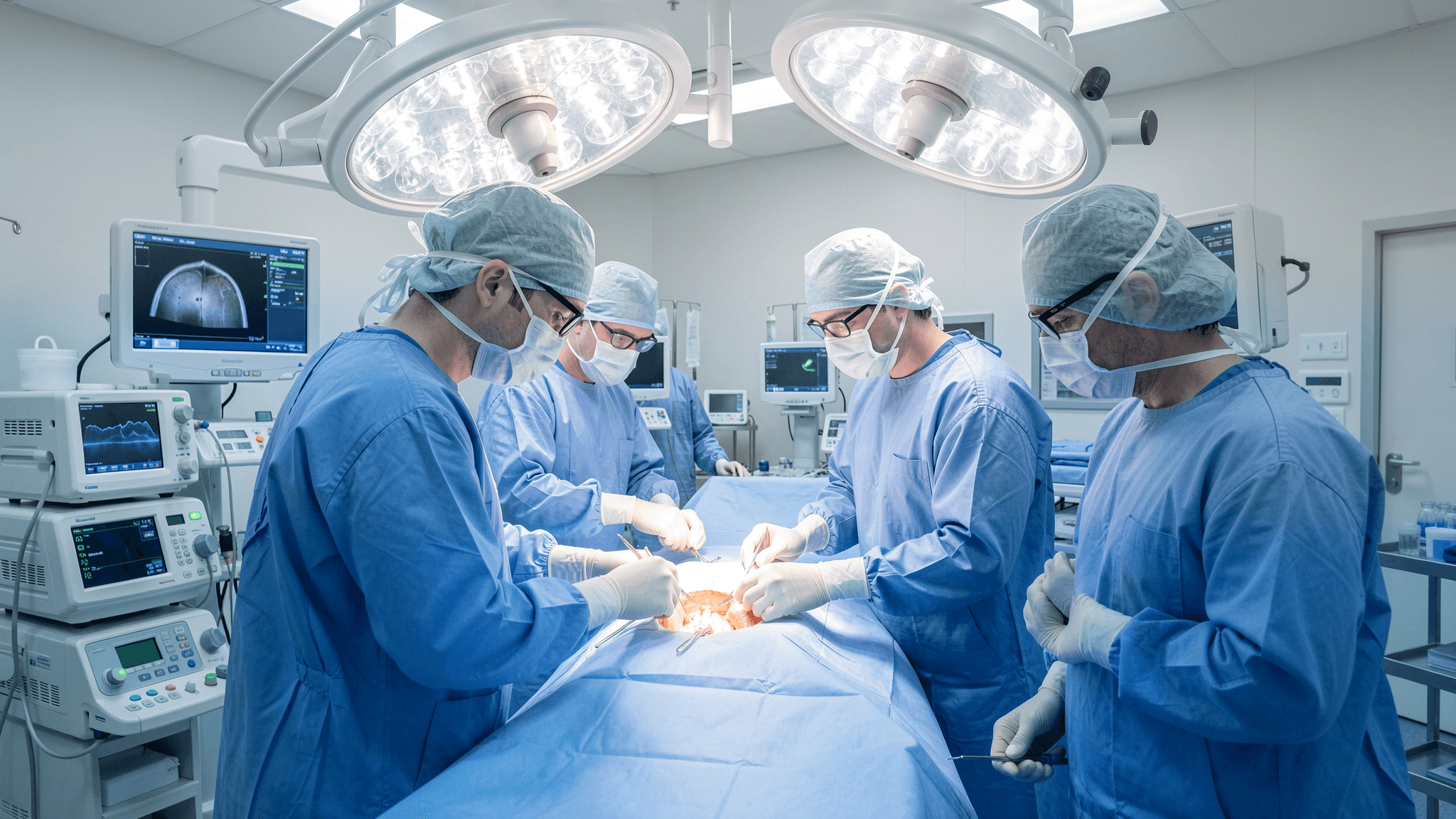
What Are the Types of Abdominoperineal Resection?
Abdominoperineal resection is a surgical procedure performed to remove cancerous and damaged tissue in the anal and rectal region from the body. The abdominoperineal resection procedure in the anal and rectal structure is generally performed using three different methods. These are the laparoscopic abdominoperineal resection procedure, the open abdominoperineal resection procedure, and the abdominoperineal resection procedure performed with robotic arms.
Resections performed using the laparoscopic method create less incision in the patient and the healing process is quite short. Risk of complications that may occur after laparoscopic abdominoperineal resection can be minimized. In addition, the resection procedure can also be performed together with the robotic surgery method when necessary. In abdominoperineal resection procedures, laparoscopic methods are generally preferred.
How Is the Diagnosis of Abdominoperineal Resection Made?
Abdominoperineal resection procedure is performed to treat diseases and cancerous cells that appear in the anal, rectal, and sphincter muscles. After the symptoms that appear in these areas emerge, you should apply to a medical center. First, the patient's general medical history is taken and a physical examination is performed. In addition to the physical examination, some tests and analyses may be requested.
Screening applications such as digital rectal examination, anal pap test, and biopsy are the health screenings required for abdominoperineal resection procedures. In addition, a pelvic examination can be performed for women. Endoscopic tests and imaging tests can also be requested for the abdominoperineal resection procedure.
Endoscopic tests; endoscopic tests can be performed to look inside the rectal structure and the area around the anus. These tests are performed using special instruments that are thin, flexible tubes with light, lens, and video camera. Tissue samples can be taken for pathologists to examine.
Endoscopic tests include the following:
- Anoscopy is an endoscopy procedure performed using a short, lighted tube called an anoscope to examine the anus and lower rectum.
- Flexible sigmoidoscopy is an endoscopy performed to check for tumors and polyps in the rectal and anal region.
- Colonoscopy is an endoscopy performed to examine the entire colon structure to detect tumor and polyp symptoms.
- Imaging tests are scans performed to visualize the size and location of the lesion, cyst, or tumor. Imaging techniques such as magnetic resonance imaging (MRI), transrectal ultrasound, computed tomography (CT) scan, and positron emission tomography (PET) scan are used to diagnose for the abdominoperineal resection procedure.
How Is Abdominoperineal Resection Treated?
Depending on the stage and location of the diseased tissue or cancerous structures in the rectum or anus, treatment options may also vary. In cancer cases that are milder and show less spread, a partial resection may be performed by removing a part of the anus.
In cancer cases that are more severe or spread rapidly, the resection procedure is performed by removing the entire anus. Abdominoperineal resection is treated with open surgery, closed surgery, and robotic surgery methods. In addition, chemotherapy, radiotherapy, immunotherapy, and targeted therapy methods can also be performed in addition to the abdominoperineal resection procedure.
Abdominoperineal Resection Surgery
Before an abdominoperineal resection, blood test, urine test, and some imaging scans may be requested. Then, general anesthesia is applied and the patient is put to sleep. The main blood vessels that supply blood flow to the intestinal regions where the diseased and cancerous tissues are located are cut. The sigmoid colon and rectum are freed. The sigmoid colon is separated from the large intestine. Thus, by completing the first stage of the surgical intervention, the sigmoid colon and rectum are made ready to be removed.
In the second step of the surgery, the perineal region (the area between the legs) is operated on to remove the anus. The anus, rectum, and sigmoid colon are removed from the body. The skin where the anus was located is stitched closed.
Finally, a colostomy procedure is applied to ensure that waste exits the body. After the anus and rectum are removed, a permanent colostomy is created. A colostomy is bringing the colon structure located in the large intestine to an opening on the skin surface.
The elimination of feces from the body is accomplished through this new opening called a stoma. The stoma is generally 3-4 cm in diameter. A pouch or ostomy bag is attached to this opening to collect gas and feces. Since the elimination of feces from the body cannot be controlled, this pouch is always in place.
Recovery Process after Abdominoperineal Resection Treatment
After an abdominoperineal resection procedure, depending on the effect of the surgical intervention, you may need to be under observation in the hospital for a few days. After an abdominoperineal resection, it takes a few days for the digestive system to become active again.
As the bowel system begins to function, dietary intake is gradually increased from liquids to solid foods. Various painkillers and antibiotics help reduce the severity of pain.
The necessary information about colostomy care is provided by medical staff. The recovery period after an abdominoperineal resection procedure is generally between 3 and 6 weeks.
After your doctor gives the necessary recommendations, you can be discharged. The things you should pay attention to during the recovery process after abdominoperineal resection treatment can be listed as follows:
- Severe pain may occur during the first week. There is no need to worry.
- Especially by paying attention to hygiene, you need to be cautious against infection.
- Adjusting to the colostomy procedure that was applied is important. It is highly beneficial for you to learn the appropriate stoma care from a medical staff member when necessary.
- Slowly increasing your physical activities helps you feel better.
- You should schedule regular check-up and follow-up appointments.
- Your diet consists of fluid intake. You need to transition to solid food gradually.
The colostomy treatment performed with the abdominoperineal resection procedure can be emotionally exhausting. Getting moral and psychological support from your loved ones may help you get through this process more calmly. By adhering to these points, you can speed up the recovery process after abdominoperineal resection.
Medical Information and Disclaimer
This content has been prepared in accordance with the current scientific literature and generally accepted medical knowledge at the time of its preparation, with the aim of informing the public on health matters. The information contained within is for general informational purposes and does not substitute for diagnosis, treatment, prescription, or personalized medical advice.
This content has been prepared in accordance with the current scientific literature and generally accepted medical knowledge at the time of its preparation, with the aim of informing the public on health matters. The information contained within is for general informational purposes and does not substitute for diagnosis, treatment, prescription, or personalized medical advice.
Since each individual's health status and treatment requirements are different, diagnosis and treatment decisions must be made by a physician as a result of the person's clinical evaluation, examination, and necessary tests. Since scientific knowledge and medical practices may change over time, the information included in the content can be updated. In addition, some medical branches, tests, and treatment facilities discussed in our health guide may not be included in the current service scope or staff of our hospital.
If you have any complaints or concerns regarding your health, you can schedule an appointment with our physicians in line with the medical branches and services offered by our hospital, or consult your nearest healthcare institution.

